Skip to content

A classroom escape room builder that does not need a login for students

The problem with a digital classroom activity is rarely the activity. It is the twenty minutes lost to accounts, passwords and a device that will not join. A virtual lock avoids all of it: you share one link or project one QR code, and every student is in the activity within seconds, with no account and nothing installed.

Try it now · Maths

Maths

Clue:

A dozen dozen. Three digits.

Eight subjects, eight locks, one escape room

Every card is a real lock, styled the way a teacher can style it. Pick one to play it in the demo. In this order they make one chained story, each reveal sending the class to the next subject.

Themes, filmed unlock animations and celebrations come with the Event Pass or Pro. Every lock format and every reveal, the sudoku, the Wordle and the HTML endings included, is free.

In short

Lock Challenge is an online classroom escape room builder. You write a question from the lesson, choose the lock that fits the answer (a code, a word, colours, switches, arrows, a melody, a sudoku, a Wordle and more), and hide the next task, a document or a final message behind it. Students open one link or scan one QR code on any phone, tablet or laptop, with no account and nothing to install.

Students
No account, no app, any browser
Steps per activity
Up to 3 steps free, 10 with the Event Pass, unlimited with Pro
Players
Unlimited on every plan, the free one included, and a free lock never expires
Ready-made template
Three subjects, about 30 minutes
Price
Free, with no expiry; Event Pass $7.90 for 15 days or $9.90 for 30 days, paid once; Pro from $8.25 a month billed yearly ($99), or $14.90 monthly
Languages
English, French, Spanish, Catalan, Portuguese

How does a multi-step escape room work?

A multi-step escape room is a chain of locks. Each right answer opens the next step, and the last one opens the finale. Nobody can skip ahead: step two stays shut until step one is solved, so a group always works on the same question. This is the ready-made three-subject template, exactly as a class plays it.

  1. Step 1Numeric code

    Maths: the egg lock

    The cupboard holds a dozen boxes of a dozen eggs 🥚 each.
    🍳 The canteen takes one full box for a giant omelette.

    How many eggs are left? 🔢 Three digits.

    ✓ Right answer: the class sees

    Cupboard open.

    The science cupboard opens.

    Inside: a plant under a lamp, and a label whose word has been torn off.

  2. Step 2Written answer

    Biology: the plant's recipe

    This plant 🌱 makes its own food from sunlight, water and carbon dioxide, and gives out oxygen.

    🤔 What is this process called? ✏️ One word.

    ✓ Right answer: the class sees

    Front page.

    Behind the pot, an old newspaper headline:

    "ONE SMALL STEP FOR MAN"

    The date has been torn off.

  3. Step 3Numeric code

    History: the torn date

    The newspaper 📰 tells the story of Apollo 11 🚀 and the first human steps on the Moon.
    They happened in the last year of the 1960s.

    Which year? 🔢 Four digits.

    ✓ Right answer: the finale opens, below

FinaleHTML

The last reveal, written in HTML blocks: a headline, a ticket and a stamp, in the lock's own colours.

Three subjects, one class

The class is out.

The classroom door swings open. Every lock gave way, and you made it out together.

Well done

Write your time on the board. The next group has a record to beat.

Door open

On the free plan you can publish 3 locks, single or multi-step, of up to 3 steps each, and they never expire. The Event Pass ($7.90 for 15 days or $9.90 for 30 days, paid once) raises that to 10 locks of 10 steps and Pro removes the limit. Each step keeps its own question, lock, hint, error message and reveal.

Play the three steps →

Why lock the next task rather than the whole lesson?

The most useful pattern is small: one question, one answer, and the next worksheet behind it. Students who get it move on, students who do not get a hint and try again. Retrying costs nothing and is not recorded as a failure, which changes how willing a class is to guess out loud.

Which lock suits which subject?

A numeric code for a date in history or a result in maths. A written answer for vocabulary. Ordered switches for a process that has to happen in sequence. A GPS lock for a field trip. A colour sequence for art or for a lab safety chart. The mechanic is part of the question, not decoration around it.

Can a whole class play at once, or in groups?

Project one QR code and let the room work together, or chain several locks into a trail groups follow at their own pace. A time limit adds pressure when you want it, a leaderboard adds competition when the class can take it, and a hint button keeps a stuck group from stopping the lesson.

Homework, stations, a scavenger hunt: how teachers use it

As a homework reveal: tomorrow's answer key or the next worksheet sits behind a code that is in today's homework, and students who did the work open it at home on a phone. As a station rotation: one lock per table, one QR code on each, and a group scans, solves and moves on, each browser playing its own session. As a scavenger hunt: a QR code at each stop in the room, the library or the playground, each lock revealing the clue to the next one.

A QR code for the board, the desk or the worksheet

Every published lock comes with a short link and a QR code you can download. Project one for the whole class, print one per station, or drop the link into the homework. Change the clue or the answer later and the same printed code still works: it points at the lock, so you do not reprint the room when the puzzle changes.

What happens to students' data?

Students do not create accounts and are not asked for anything. Player pages are noindex, so an answer key or a class document does not turn up in a search engine, and a nickname for the leaderboard is optional and free text.

Build a classroom escape room in four steps

  1. 1

    Write the questions

    Pick three to eight questions from the lesson. Each answer should be something a lock can check: a number, a word, a colour order, a direction or a melody.

  2. 2

    Choose a lock for each answer

    A numeric code for a result in maths, a written answer for vocabulary, a colour sequence for science, arrows for orientation, a melody for music.

  3. 3

    Hide the next task behind each lock

    Each reveal holds the next clue, a worksheet, a link or a message. The last one is the finale the class opens together.

  4. 4

    Share one link or one QR code

    Project the QR code or send the link. Students play in any browser, with no account, and each device keeps its own progress.

Designed down to the last detail

Style every pixel of the lock, and watch it open on film.

Nothing on the screen is fixed. Pick a theme, choose a filmed object that fidgets while the lock holds and opens on video, with sound, when the code is right, then a celebration for the moment it opens. Set the typeface and size, and end on your own reveal. Your players see exactly the screen you designed.

Everything you can design on a lock →

Colours

51 themes, and more in the builder. Each one paints the lock, its keys and its button.

Video animations

45 filmed objects that fidget while the lock holds and open on video, with sound, when the lock gives way.

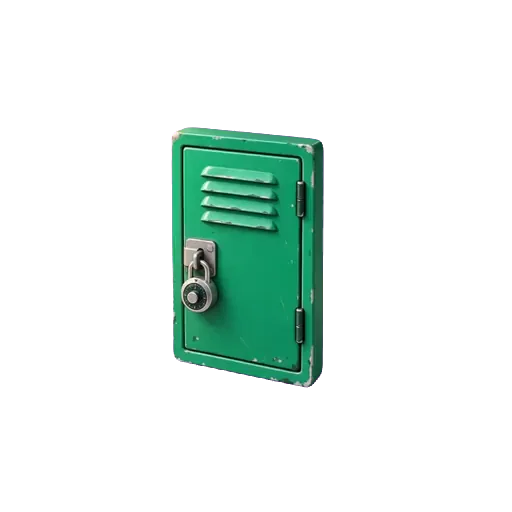
Empty rusty boxScrollRing boxEmpty puzzle boxSafePirate chestChampagne crateLockerSuitcaseMusic boxEvidence boxVault doorGift boxArcade cabinetAirlock

Typeface and size

37 typefaces and 6 text sizes, from a phone in hand to a screen across the room.

Or your own two pictures

Upload a closed and an open picture: the parcel as wrapped, then what was inside. Included with the Event Pass and Pro.

Every theme, every filmed animation, your own pictures, the celebrations, typefaces and text sizes come with the Event Pass or Pro. A basic lock keeps the default theme.

Build yours →
51
themes
45
filmed animations
37
typefaces
36
celebrations
15
lock types
5
player languages

Templates

Playable examples you can copy in one click. Try one first, then make it yours.

Classroom escape gameEvent Pass
Easy30 min3 steps

Classroom escape game

Three questions across three subjects, one shared screen, each answer opening the next. Built for a class of thirty with no equipment beyond the projector.

Locks used: Numeric code, Written answer

Available in: EN · FR · ES · CA · PT · Free to open and edit. Published with an Event Pass or Pro.

Play the example
Class quizEvent Pass
Easy15 min1 step

Class quiz

One question, one answer, the next resource behind it. The fastest way to use a lock in a lesson.

Locks used: Written answer

Available in: EN · FR · ES · CA · PT · Free to open and edit. Published with an Event Pass or Pro.

Play the example
Mini escape roomEvent Pass
Medium25 min3 steps

Mini escape room

Three rooms, three mechanics, one final code. The shortest complete escape game you can run in a single room.

Locks used: Numeric code, Colour sequence, Touch pattern

Available in: EN · FR · ES · CA · PT · Free to open and edit. Published with an Event Pass or Pro.

Play the example

FAQ

Is it free for a school?
Yes. The free plan covers personal and educational, non-commercial use, with unlimited players, every lock format and every reveal: 3 basic locks, single or multi-step, of up to 3 steps each, in the default theme, and they never expire. The Event Pass, paid once, $7.90 for 15 days or $9.90 for 30 days, styles up to 10 locks of up to 10 steps with every theme, filmed unlock animation and celebration. Pro, at $14.90 a month or $99 a year, has no limit while it is active and adds the timer and the leaderboard.
Do students need a login?
No. There is no student login and no student account. Students open a link or scan a QR code and play in the browser. Only the teacher has an account, and only to save and publish the lock.
Do students need an app?
No. Any browser on any phone, tablet or laptop. Nothing to install and nothing to log into.
Can I share it with a QR code?
Yes. Every lock includes a downloadable QR code and a short link. Project it, print it, or send the link. The same code keeps working if you change the clue or the answer.
Do free locks include filmed unlock animations?
No. Filmed unlock animations, a locker, a treasure chest or a safe that opens on video when the answer is right, come with the Event Pass or Pro. A free lock opens plainly, which is enough for a homework reveal. You can try the films in the builder's preview before you pay.
Can I reuse the same activity next year?
Yes. Change the answer and the previous class cannot pass the code on to the next one. On Pro you can also duplicate a multi-step activity in one click and keep last year's version.
How long does a classroom escape room take?
The ready-made classroom template runs about 30 minutes for three locks. A single lock with one question takes a few minutes, so it fits at the start or the end of any lesson.
Does it work for a class of 30?
Yes, on every plan, the free one included: players and attempts are unlimited. Project one QR code for the whole class, or let each group open the link on its own device: every device plays its own session.
Which subjects and ages does it suit?
Any subject with an answer a lock can check: a result in maths, a date in history, vocabulary, spelling, a science term, a direction on a map, a melody. It works from primary school to university, because you write the questions.
What equipment do I need?
A projector or a screen for the QR code, or the students' own phones, tablets or laptops. Nothing to print, unless you want to hide QR codes around the room.

Play the lesson above, then write your first question.

One question and one reveal is already a complete activity. Start there.

Build a classroom activity →